Unlocking On-Demand Content with Generative AI

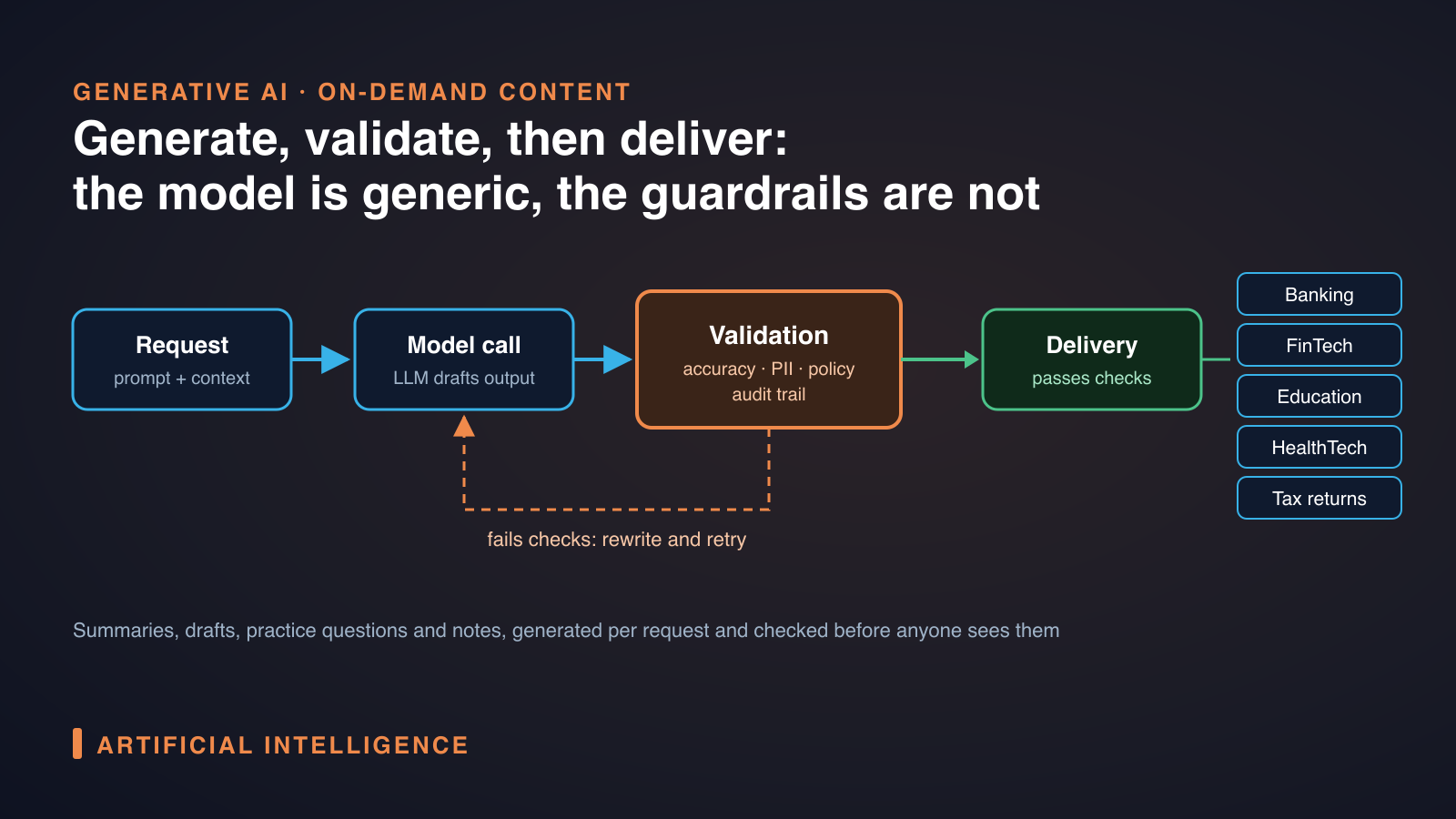
Generative AI is moving from research demos to production pipelines. For developers in Banking, Education, HealthTech, FinTech and Tax Returns, the practical question is not whether models can generate text or images, but how to create on-demand content that is accurate, auditable and safe inside regulated workflows.
What is Generative AI?
Generative AI refers to models trained to create new artifacts — text, code, images, audio — conditioned on a prompt. In practice for developers, it means a request in comes in, a model produces an output, and that output is post-processed, validated and delivered.
Generative AI can help generate tailor-made content nearly on-demand [1]. Large language models can be used as a conversational routing layer in the workplace [1], and generative AI can synthesize activity within a system, and transmitting it in a format that other systems can understand [1].
For the five sectors in scope, the subject means the same thing technically, but the consequences differ. The model is generic; the guardrails are sector-specific.
Applications and Benefits in Banking, Education, HealthTech, FinTech, and Tax Returns
Across these domains, the pattern is consistent: reduce manual drafting, personalize at scale, and surface structured data from unstructured sources.
Banking and FinTech
- On-demand summaries of account activity for customer service.
- Drafting of compliant email responses and internal risk notes, routed via LLM as a conversational routing layer [1].
- Synthetic data generation for testing fraud models.
Education
- Personalized practice questions and explanations generated from a curriculum outline.
- Summarization of lecture transcripts into study guides and flashcards.
HealthTech
- Drafting patient-facing aftercare instructions from clinical templates, with clinician review before delivery.
- Structuring clinician notes into coded fields for downstream systems. Generative AI can synthesize activity within a system and transmit it in a format that other systems can understand [1].
Tax Returns
- Auto-completion of forms from prior year data and document extraction.
- Plain-language explanations of tax concepts for specific filing situations.
The key developer benefit is the ability to build APIs that turn a prompt plus context into a governed artifact.
Model choice trade-offs
| Option | Typical Use | Strength | Watch-out |
|---|---|---|---|
| Text-to-image: DALL·E 2 | Marketing visuals, education illustrations | DALL·E 2 is a new AI system that can create realistic images and art from a description in natural language [2] | |
| Text-to-image: Stable Diffusion | On-prem or open-source image generation | Stable Diffusion is a state of the art text-to-image model that generates images from text [2] | |
| Multimodal: Make-A-Scene | Sketch + text concepting | Make-A-Scene is a multimodal generative AI method that allows users to describe and illustrate their vision through both text descriptions and freeform sketches [2] | |
| Lightweight: Craiyon | Quick drafts | Craiyon is an AI model that can draw images from any text prompt [2] |
Challenges and Limitations
Developers inherit the black-box nature of models. The complexity and black-box nature of AI/ML have made rigorous testing a lot harder than it is in most software development [3].
MLOps fragmentation compounds this. The MLOps landscape is currently fragmented. We’ve seen countless data and ML teams glue together a ton of bespoke and third-party tools to meet basic needs [3].
Testing at API level is essential. Speedscale captures API calls at the source using a Kubernetes sidecar or a reverse proxy [4]. Speedscale generates them without human effort leading to an easily maintained full-coverage CI test suite [4].
For production safety, teams need mode switching between experimentation and monitoring. Openlayer supports seamlessly switching between development mode and monitoring mode [3].
Getting Started with Generative AI
A pragmatic start is a small, scoped pipeline with strong validation.
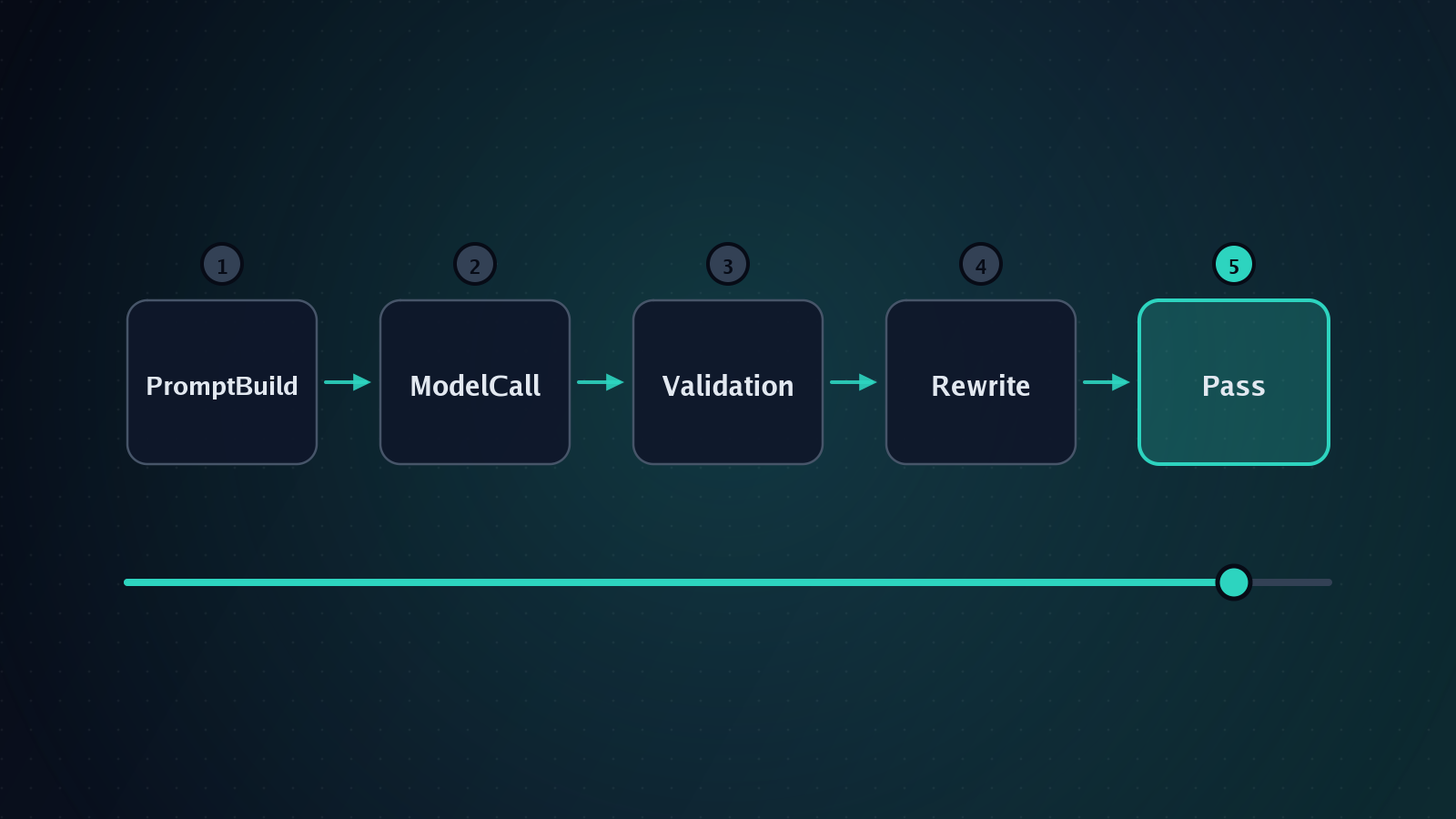
The pipeline above reflects a real developer flow: build a prompt with context, call the model, validate, and deliver.
Learning resources matter. The Microsoft Generative AI for Beginners course has 21 lessons [5]. Basic knowledge of Python or TypeScript is helpful [5]. Each lesson includes a short video introduction, a written lesson, Python and TypeScript code samples, and links to extra resources [5].
Practical starter checklist:
- Start with a single use case.
- Use a managed API first, then evaluate self-host if residency requires it.
- Log prompts, outputs, and metadata for auditing.
- Add deterministic post-processing: extract fields with JSON schema, enforce templates.
- Instrument the API path for testing. Capturing API calls at the source using a Kubernetes sidecar or a reverse proxy [4] helps maintain coverage as prompts evolve.
Generative AI tools like GitHub Copilot and OpenAI’s ChatGPT are already part of the software developer’s toolkit [6].
Real-World Examples and Use Cases
In Banking, a FinTech developer built a customer-facing FAQ that routes questions through an LLM first station, then falls back to human agents for high-risk intents.
In Education, a platform generates variant practice problems from a single specification, then validates answers programmatically.
In HealthTech, a clinic uses generative synthesis to turn visit notes into structured FHIR resources for downstream analytics, with clinician sign-off required before any patient-facing output.
In Tax Returns, a preparer app pre-fills forms from prior year PDFs and drafts explanatory notes for each line item, preserving source citations for audit.
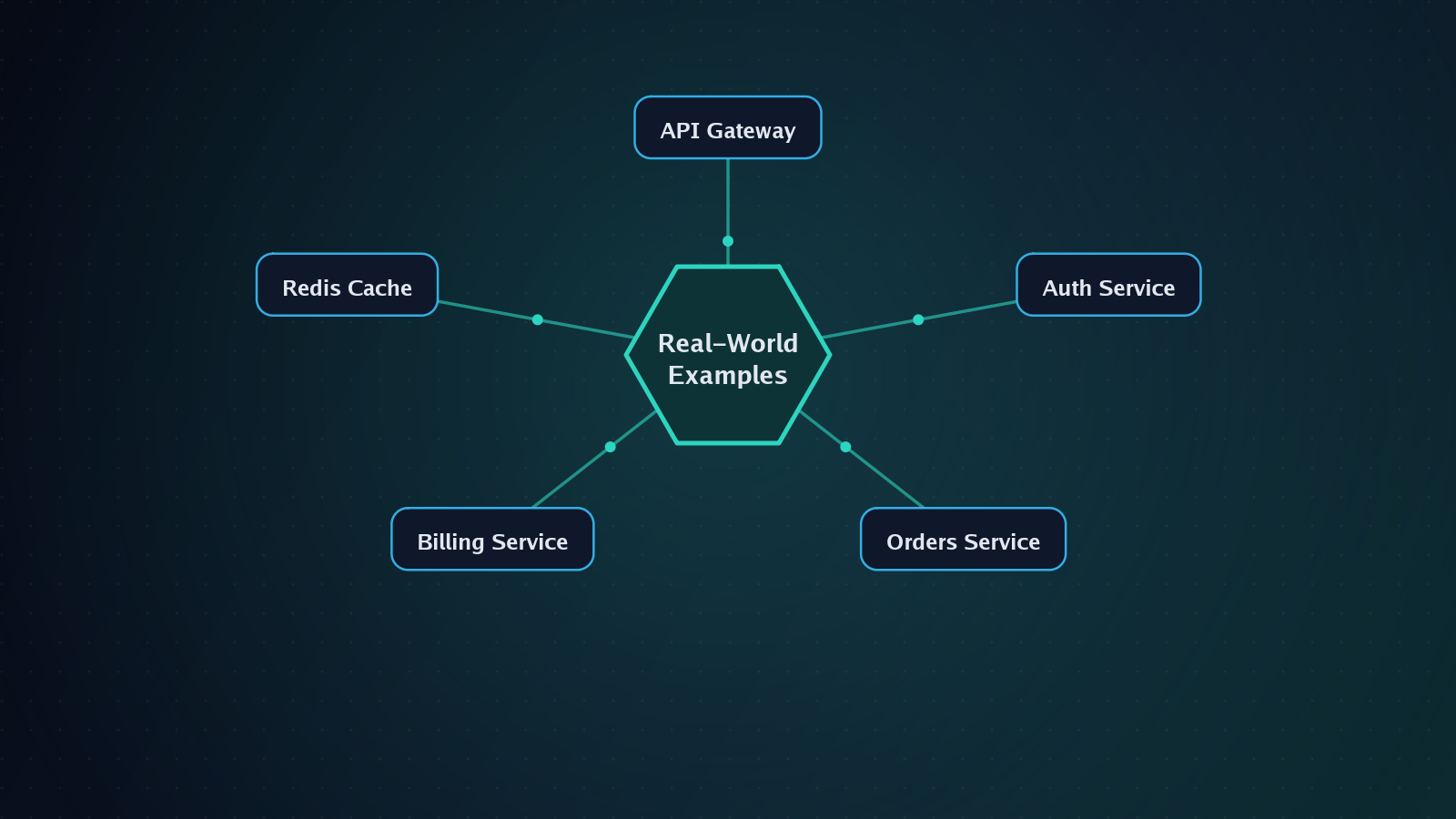
Architecture for these cases is similar: API Gateway → Auth → Domain Services → Cache.
Developers should treat generative components as services with contracts, not magic. Version the prompts, evaluate outputs with unit-style tests, and monitor drift in production. On-demand content is valuable, but only when it is reliable, explainable, and governed for the sector it serves.
To apply these concepts, start with a single scoped pipeline, log prompts and outputs for auditing, and instrument API paths for testing as prompts evolve.
References
- Generative AI and The Future of Work — maestroai.substack.com (18 January 2023)
- steven2358/awesome-generative-ai — github.com (30 October 2026)
- Launch HN: Openlayer (YC S21) – Testing and Evaluation for AI — news.ycombinator.com (5 December 2023)
- Launch HN: Speedscale (YC S20) – Automatically create tests from actual traffic | Hacker News — news.ycombinator.com (5 August 2020)
- Generative AI for Beginners — microsoft.github.io
- Generative AI and the widening software developer knowledge gap — leaddev.com (5 March 2024)