O blogue da Workstation
FinOps
Publicações com a etiqueta FinOps.
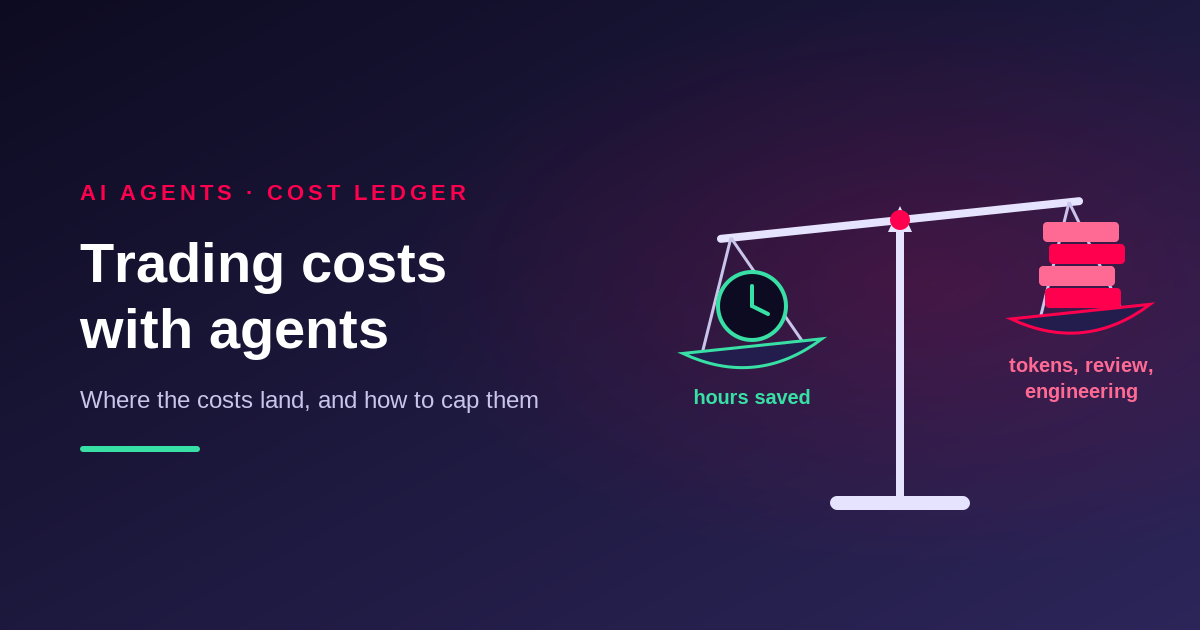
Trading costs with agents: what an AI agent really costs to run
AI agents move cost rather than remove it. Learn why the token bill grows with the square of loop steps, how caching and compaction bend the curve, and a playbook for pricing, budgeting and capping an agent before it reaches production.
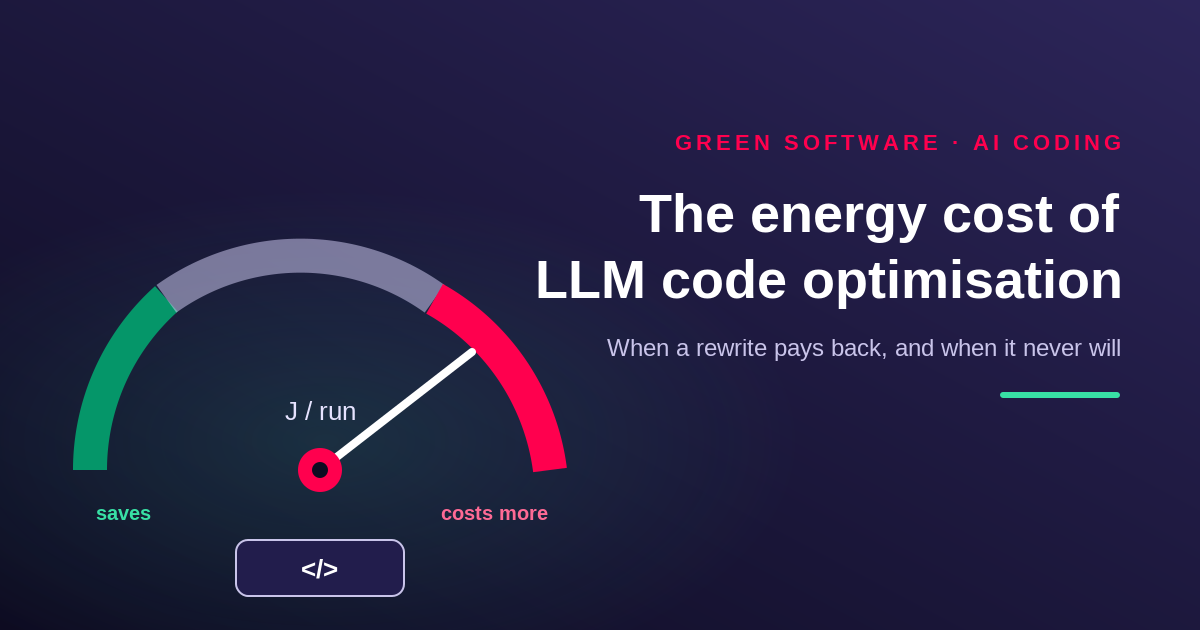
The energy cost of LLM code optimisation, and when it pays back
A 2026 study found LLM-optimised code used more energy per run than the human reference in 42 of 44 configurations. Learn the break-even rule, how to measure joules per run on Linux, and a workflow for keeping only the rewrites that pay back.
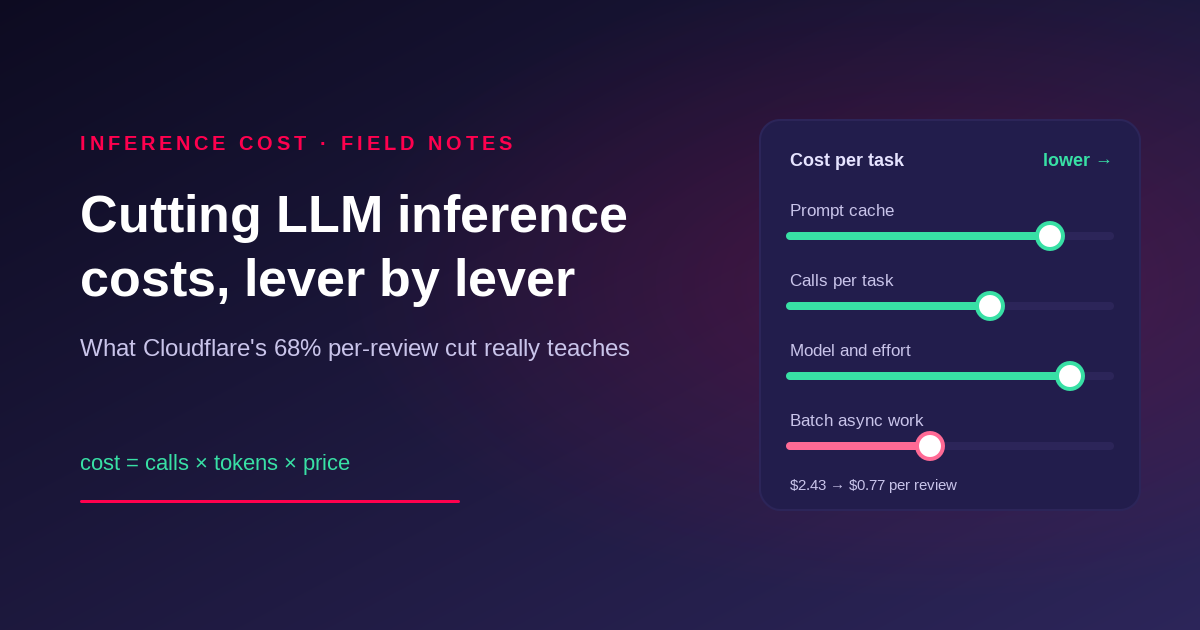
Cutting LLM Inference Costs: Lessons from Cloudflare's 68% Cut
Cloudflare cut its AI code reviewer's average cost per review by 68%. Here is what that number does and does not mean, and a measured playbook for your own workload: prompt cache breakpoints, fewer agent calls, right-sized models and batch.
A observabilidade não é opcional: torne-a uma norma da empresa
Porque é que a monitorização fragmentada cria pontos cegos, gastos duplicados e incidentes lentos — e como tornar a observabilidade centralizada uma norma inegociável da empresa.
 Balinder WaliaLer

Stop paying for idle CI: GitLab Runners on Kubernetes
Most teams pay for CI as if every night were still Monday morning. GitLab Runners on Kubernetes flip that: ephemeral job pods, scale up under load, scale down when quiet.
Balinder WaliaLer 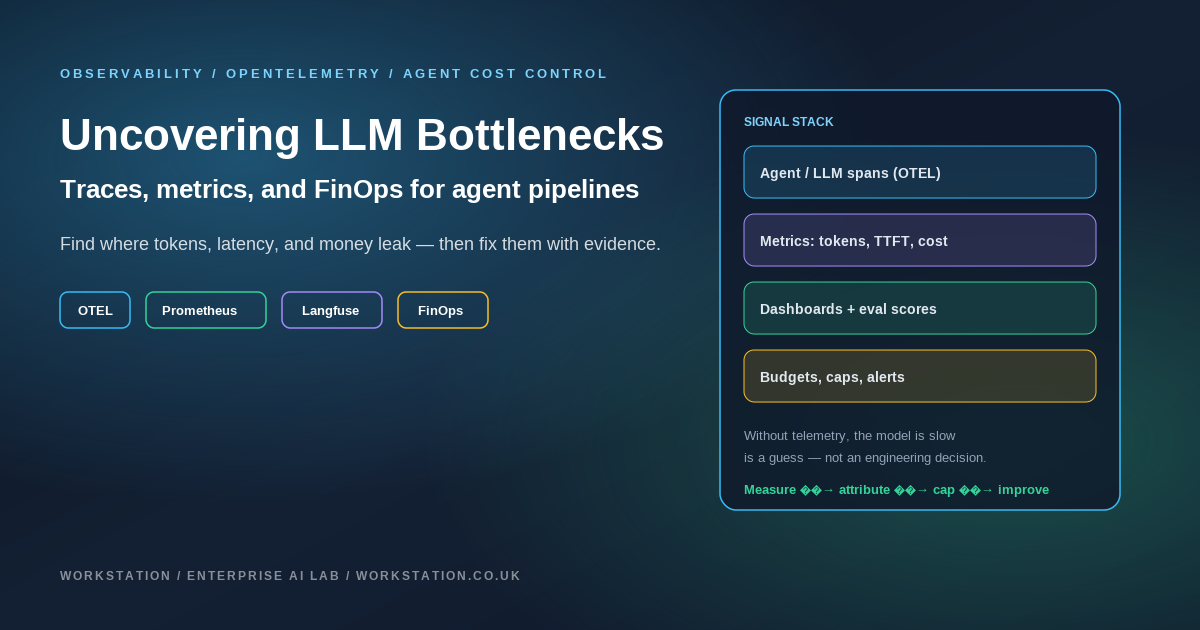
Uncovering LLM Bottlenecks: Observability, OTEL & Cost Control
Workstation on uncovering LLM agent bottlenecks with observability: OpenTelemetry, Prometheus/Grafana/Thanos, Langfuse — with clear pros/cons, cost levers, and usage metrics that protect margins.
Balinder WaliaLer 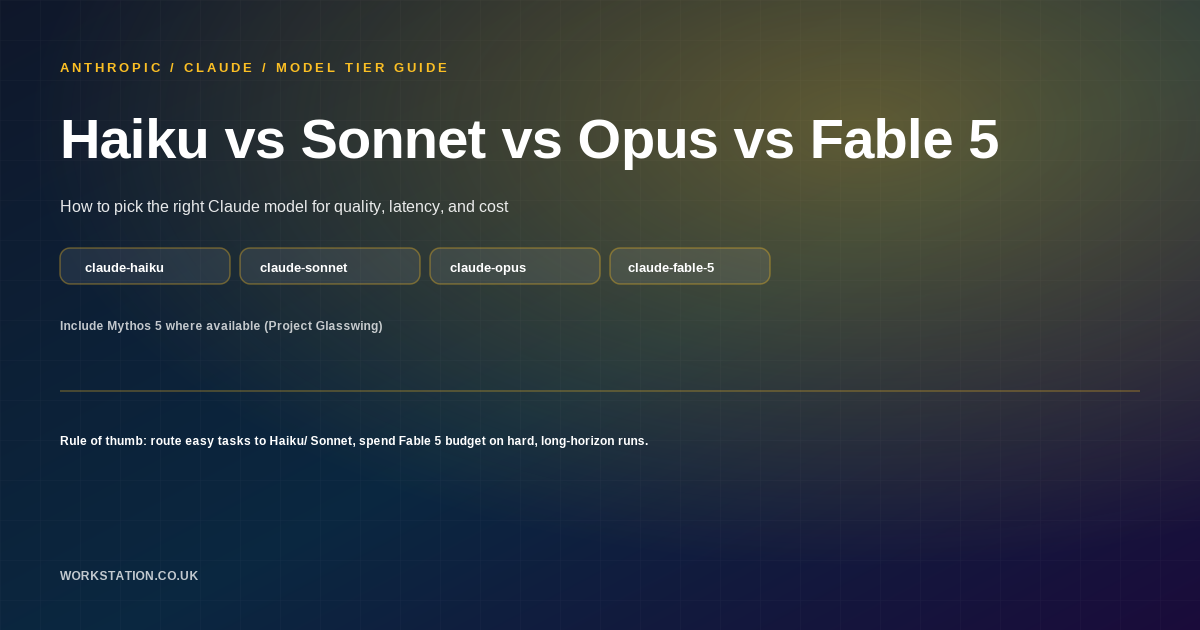
Claude Models Compared: Haiku vs Sonnet vs Opus vs Fable 5 (Mythos 5)
Choose the right Claude model tier: Haiku for fast routing, Sonnet for daily work, Opus for complex agentic coding, and Fable 5 for long-horizon autonomy. Includes a token-budget router blueprint.
Balinder WaliaLer 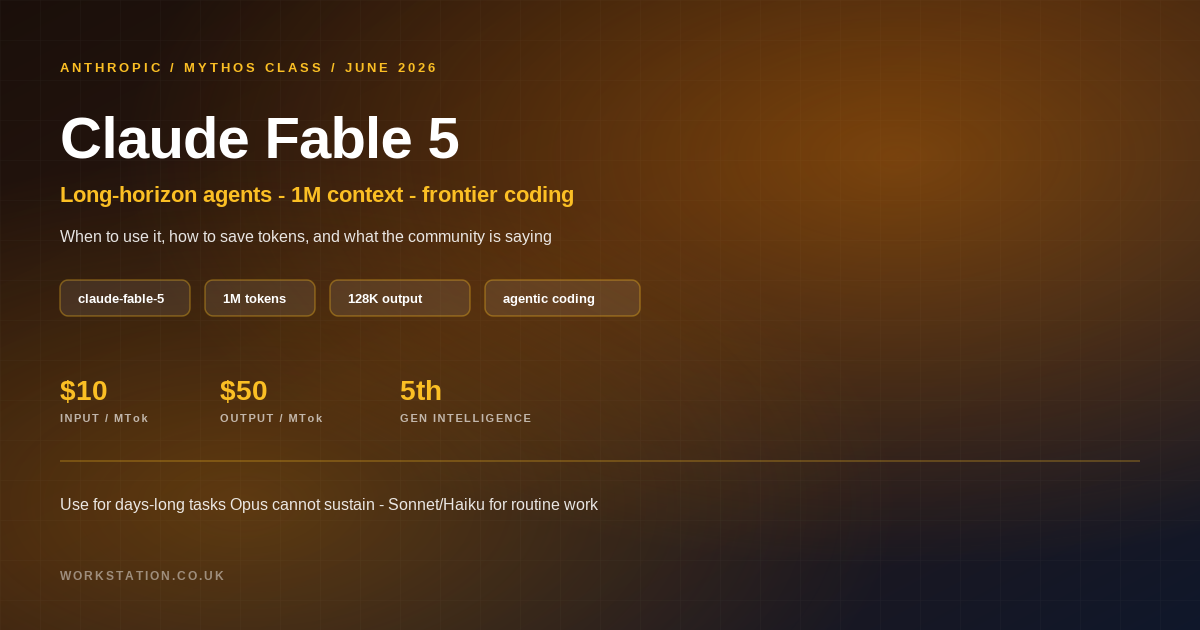
Claude Fable 5: The Complete Guide to Anthropic's Mythos-Class Model
Claude Fable 5 is Anthropic's Mythos-class frontier model for long-horizon agents. Community reactions, YouTube reviews, when to use it, and how to save tokens.
Balinder WaliaLer 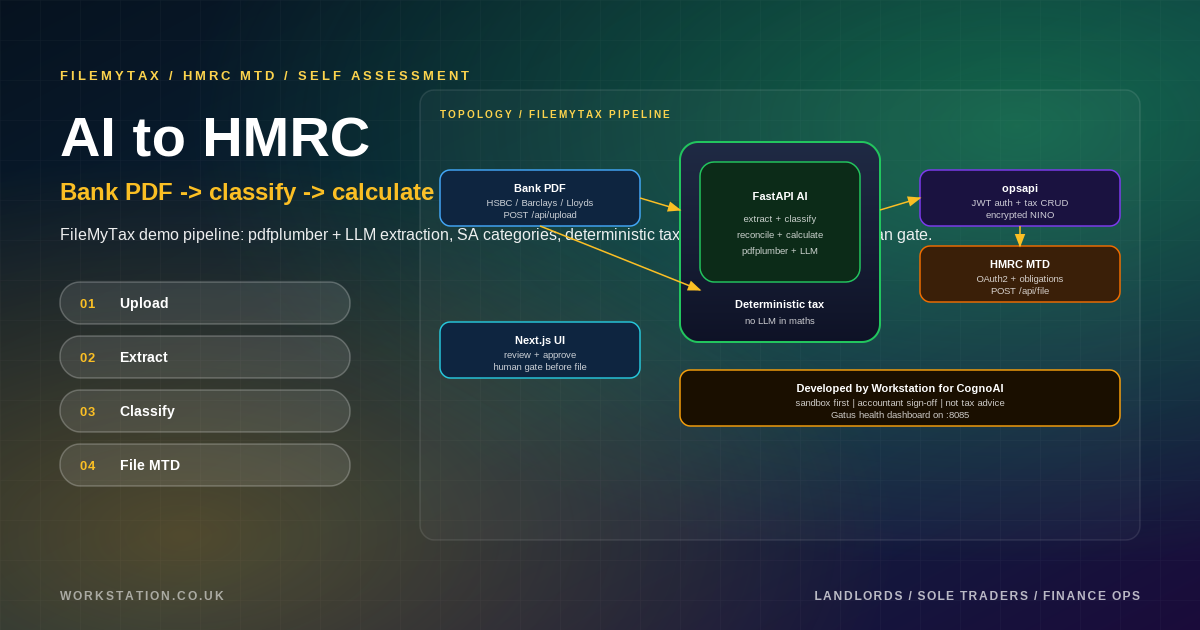
Can an AI System Process and File a Self Assessment Tax Return to HMRC Automatically?
Can AI file UK Self Assessment to HMRC? FileMyTax shows bank PDF → extract → classify → calculate → MTD with a human gate. Built by Workstation for CognoAI. Not tax advice.
Balinder WaliaLer 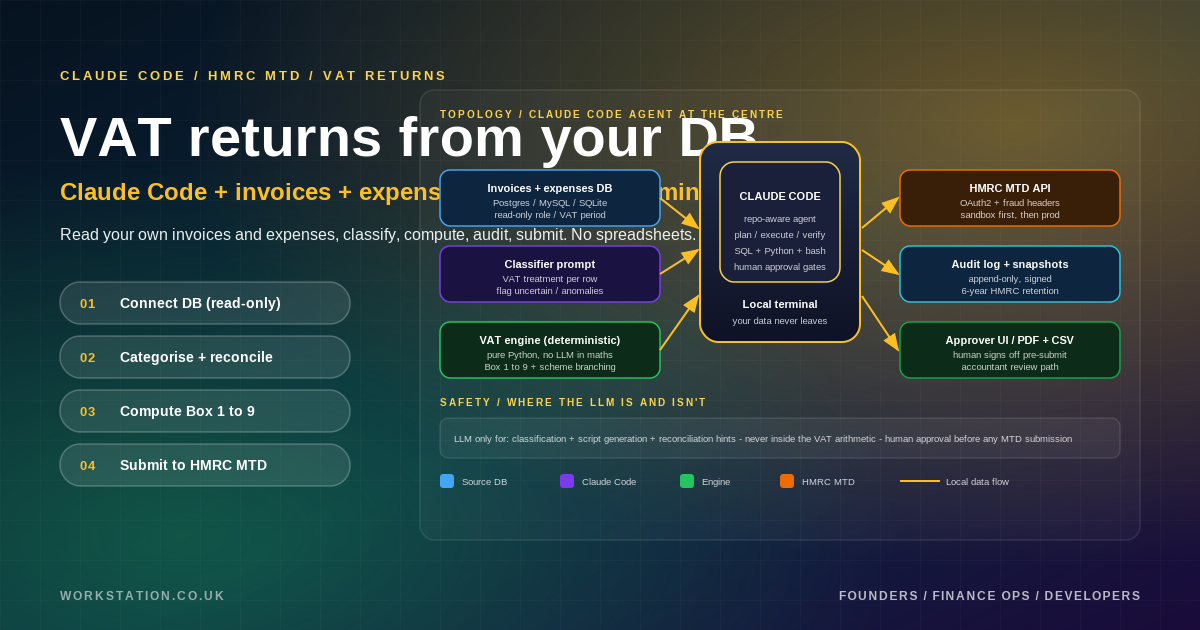
Building a VAT Return System with Claude Code from Your Invoices and Expenses Database
Quarterly UK VAT returns used to mean a spreadsheet, a coffee, and a small leap of faith. This blog walks through the version I now run with Claude Code: read the invoices and expenses DB, classify each line by VAT treatment, compute Box 1 to 9 with pure-Python maths, dry-run a PDF, then submit to HMRC MTD. Always with a human signing off.
Balinder WaliaLer